
Élimination des déchets municipaux solides et leurs implications sur la qualité de l’eau en milieu urbain, département du Fako, Région administrative du Sud-Ouest, Cameroun
Banseka JaneFrances Yenlajai
Abstract: The contamination of water resources due to the indiscriminate disposal of municipal solid waste is a serious problem in the Fako Division. The towns of Buea, Mutengene, Tiko and Limbe, which are hubs of rapid economic development and population growth, generate large quantities of waste on a daily basis. The lack of appropriate waste management facilities and the uncontrolled disposal of waste lead to water contamination. This poses a risk to the health of urban populations. This study assesses the impact of municipal solid waste on urban water quality in the Fako Division. The study is based on the premise that water quality in this administrative division is directly affected by waste resulting from human activities. To make this link clear, both qualitative and quantitative methods were used. 352 questionnaires were distributed using stratified sampling. 20 water samples were collected and analysed during the rainy and dry seasons. These were taken from rivers, springs, boreholes and wells. The samples were analysed on-site to determine their physical parameters, whilst chemical and microbiological analyses were carried out in the laboratory. Data analysis was performed using standard graphs and statistical techniques, utilizing Microsoft Excel 2016 and SPSS version 20 to calculate and produce statistical tables, correlation analyses and bar charts. The test results reveal that 19 samples, or 95%, contained a detectable number of bacteria during the rainy season, whilst 5% of the same samples showed no microbial contamination. The results for the dry season indicate that 15 samples, or 75%, contain microorganisms, whilst 5 samples, or 25%, are free of them. The presence of microorganisms in the water samples studied is due to the indiscriminate disposal of waste from human activities, as well as the presence of latrines and septic tanks. Some of the waste is carried by runoff during the rainy season, whilst another part seeps into the porous volcanic formations of Fako and reaches the groundwater, exposing it to pollution. The study recommends, in particular, the creation of a landfill site managed in accordance with strict environmental requirements and a water quality monitoring system. Both of these measures must be incorporated into the urban development plan.
Keywords: Water quality; contamination; waste; water resources
Résumé : La contamination des ressources en eau due à l’élimination inconsidérée des déchets municipaux solides est un problème grave dans le département du Fako. Les villes de Buea, Mutengene, Tiko et Limbe, qui sont des pôles de développement économique rapide et de croissance démographique, génèrent au quotidien d’importantes quantités de déchets. L’absence d’installations appropriées de gestion des déchets et leur déplacement incontrôlé entraînent la contamination de l’eau. Elle devient un risque pour la santé des populations urbaines. Cette étude évalue l’impact des déchets urbains solides sur la qualité de l’eau urbaine dans le département du Fako. L’étude se fonde sur le fait que la qualité de l’eau de ce département est directement affectée par les déchets issus des activités anthropiques. Afin de rendre ce lien saisissable, les méthodes qualitatives et quantitatives ont été utilisées. 352 questionnaires ont été distribués selon la technique d’échantillonnage stratifié. 20 échantillons d’eau ont été prélevés et analysés pendant la saison des pluies et la saison sèche. Ils proviennent des cours d’eau, des sources, des forages et des puits. Les échantillons ont été analysés sur place pour déterminer leurs paramètres physiques, tandis que les analyses chimiques et microbiologiques ont été effectuées en laboratoire. L’analyse des données a été réalisée à l’aide de graphiques classiques et de techniques statistiques, en utilisant Microsoft Excel 2016 et le logiciel Statistical Package for Social Sciences (SPSS) version 20 pour calculer et produire les tableaux statistiques, les analyses de corrélation et les graphiques à barres. Les résultats des tests révèlent que 19 échantillons soit 95 % contiennent une quantité détectable de bactéries pendant la saison des pluies, alors que 5 % du même échantillon ne présentent aucune contamination microbienne. Ceux de la saison sèche indiquent que 15 échantillons, soit 75 %, contiennent des micro-organismes tandis que 5 échantillons, soit 25 %, en sont exempts. La présence de micro-organismes dans les échantillons d’eau étudiés résulte de l’élimination inconsidérée des déchets issus des activités humaines, ainsi qu’à la présence de latrines et de fosses septiques. Une partie des déchets est charriée par les eaux de ruissellement pendant la saison des pluies, tandis qu’une autre partie s’infiltre dans les formations volcaniques poreuses du Fako et rejoint la nappe phréatique qu’elle expose à la pollution. L’étude recommande notamment la création d’une décharge publique gérée selon les exigences environnementales rigoureuses et un système de surveillance de la qualité de l’eau. Ces deux réalités devront être intégrées au schéma d’aménagement urbain.
Mots clés: Qualité de l’eau; contamination; déchets; ressources en eau
Plan
Introduction
Study Area
Methodology and Data Collection
Data Analysis and Presentation
Results
Water Sources for Domestic Chores
Waste Accumulation in Water Resources
Biodegradable Waste
Non-biodegradable Waste
Human Activities, Related Waste and Effects on Water Quality
Municipal Solid Waste (MSW) and its impact on water resources
Agricultural Waste and Impact on Water Sources
Residential Areas and impact on water quality
Microbiological Concentrations
Discussion
Conclusion
Full Text Format PDF
Introduction
Waste disposal significantly affects urban water quality through several pathways. These include leachate from landfills, stormwater runoff carrying pollutants, direct dumping into water bodies or drains, and untreated wastewater discharge (Biosengazeh et al., 2020; Fares et al., 2021; Njoyim et al., 2020). In densely populated cities across developing countries, these impacts concentrate and lead to contamination of both surface and groundwater (UN Water, 2022). With tropical monsoon showers of over 5,000 mm in Buea and its environs, stormwater runoff worsens the problem in urban areas dominated by impervious surfaces like roads and buildings (Banseka et al., 2022). Trash, plastics, oils, chemicals, and debris wash into storm drains. These drains frequently discharge directly into waterways without treatment. Litter and illegal dumping along rivers or in drainage channels add to the load during rains. They also block flows and increase flood risk while adding pollutants (Banseka and Tume, 2024).
Poor treatment of municipal wastewater from households contributes to nutrient overload. Sewage includes human waste, household chemicals, and medical waste. In many cities, especially in rapidly urbanising or lower-income areas, a large portion of wastewater enters water bodies untreated. This promotes eutrophication, algal blooms, oxygen depletion, called dead zones, and pathogen spread. Globally, about 44% of household wastewater is not adequately treated (UN, 2022). Urbanisation compounds these issues. Population growth increases waste volume. Landscape changes such as channelization and reduced natural infiltration accelerate pollutant transport and flooding. Plastics and microplastics from waste adsorb toxic chemicals, enter the food chain and harm aquatic life (Banseka et al., 2022).
Human health risks from improper waste management include waterborne diseases like diarrhoea and cholera. In Fako Division (where Buea is found), there were over 13,000 recorded cases of cholera between 2012 and 2020 (Banseka and Tume, 2024). Broader effects include flooding from blocked drains, economic costs for water treatment and lost fisheries or recreation, and climate interactions where heavier rains mobilize more pollutants. Studies near dumpsites consistently show higher pollutant levels downstream or downgradient. There are clear correlations to distance from the waste site. Open dumping and unlined landfills pose the greatest threats, especially in low and middle-income urban settings.
Stakeholders’ implication in urban water quality management in Cameroon is collective efforts of the Ministry of Energy and Water Resources, the Ministry of Public Health, Ministry of Housing and Urban Development in collaboration with non-state institutions. (Temgoua, 2011). In the Fako Division, there exists an inadequate capacity to manage the increasing demand for potable water. Large amounts of waste are dumped in nearby drains, river channels, catchment areas and watersheds. Regulated landfill sites do not exist, and untreated solid waste is disposed of at open dump sites and even in water bodies (Banseka, 2024). This has resulted in water flows that convey greater amounts of pollutants, which reduce water quality in both surface and groundwater sources. Given the pressure on the potable water resource, existing supplies are becoming increasingly insufficient. Service providers lose large volumes of water to leaks in the distribution system. Water scarcity, especially in the dry season, has caused many homes to dig wells and boreholes for domestic use without proper testing, leading to poor water quality that limits the volume of water available for specific uses (Banseka et al., 2022). All these constitute research gaps as focus was on the management of water quantity, neglecting the impact of urban development on water quality (Mafuta et al., 2011; Van, 2011).
The rationale of this study was to determine the impact of waste on urban water quality in the Fako division. Specifically, the study focused on the link between waste accumulation and water resources contamination in relation to physico-chemical and bacteriological properties from water sources, which was anchored on the premise that indiscriminate waste disposal in urban areas significantly affects urban water quality in Fako Division.
Study Area
Fako Division is in the South West Region of Cameroon, and it is located between latitudes 4°4′ and 4°2′ North of the Equator and longitudes 8°7′ and 9°25′ East of the Greenwich Meridian. It is along the foot of Mount Cameroon, from the Bimbia River at the Gulf of Guinea. Fako Division shares boundaries to the North with Meme Division, to the West with Ndian Division, to the East with the Littoral Region and to the South with the Atlantic Ocean. It is made up of five Sub-Divisions, Muyuka, Buea, Tiko, Limbe and Idenau. The study is limited to the four main towns of Buea, Tiko, Mutengene and Limbe (Figure 1).
Fako Division has a total surface area of 2060 km2 and an estimated projected population of 1,316,079 (BUCREP, 2010). The Fako Division is experiencing a rapid population growth in recent times due to its location in the Mount Cameroon region, which offers site advantages like tropical mountain climate, fertile soils, watershed function, defence, and an abundant plant and animal species, which continues to attract population. This growth is manifested by changes in number, density, size and pattern of settlement and the multiplication of socioeconomic activities. The change in population over time results from natural increase, rural exodus, net migration and recently the political crisis.
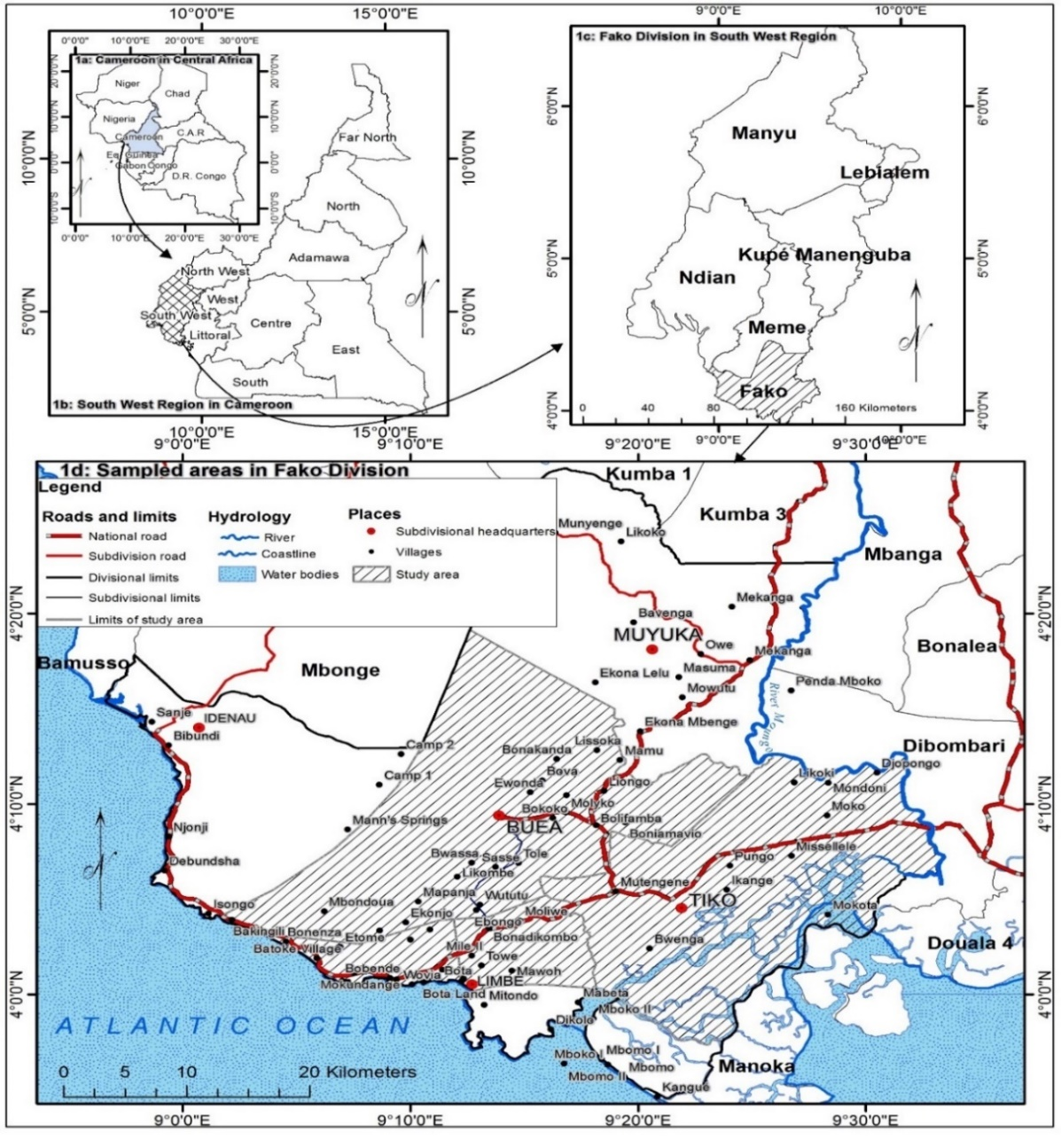
Figure 1: Location of the Study Area
Source: Administrative Map of Cameroon (NIC, 2020)
This has caused the existing urban centres of Buea, Limbe, Tiko, and Mutengene to become important growth poles with cosmopolitan populations. Fako Division is one of the regions in the country that is experiencing an exponential population growth. The region is witnessing increasing human concentrations as seen from the rapid increase in population in the multiplicities of socio-economic activities and the indiscriminate waste disposal (Banseka, 2024). Mount Cameroon is a significant watershed with a radial drainage pattern. Most of the springs in the northeastern section of the mountain rise from the spring line, which runs from Botaland to North Owe in the northeast. The orientation follows the Mount Cameroon Volcanic Line (CVL) that traverses the region. This corresponds to the emplacement of lahar deposits and weathered clay materials that give the aquifers high storability and water retention capacity. Fako Division is composed chiefly of pyroclastic and jointed weathered, fractured and columnar basalt, resulting in water-saturated volcanic fractured rock aquifers. The basalts have fractures that allow infiltration, as well as the spongy volcanic scoria. The indiscriminate dumping of waste will probably result in infiltration into the aquifers of contaminants from the waste and spread over a wide range in the case of regional aquifers due to heavy monsoonal rains (Tume, 2022).
Methodology and Data Collection
The research design for this study was a mixed-method design, which was composed of the experimental, explanatory and descriptive methods. The experimental or scientific method was employed to find out the relationship between the dependent variable, water and the independent variable, waste, which is presumed to cause the change in water quality. The sampling technique used was the stratified sampling technique, which covered the sample size of twenty (20) water samples collected from springs, wells, boreholes, community water, and surface water bodies (Table:1) that the populations of the urban areas are most frequently dependent on.
Table 1: Sampled Water Sources in Fako
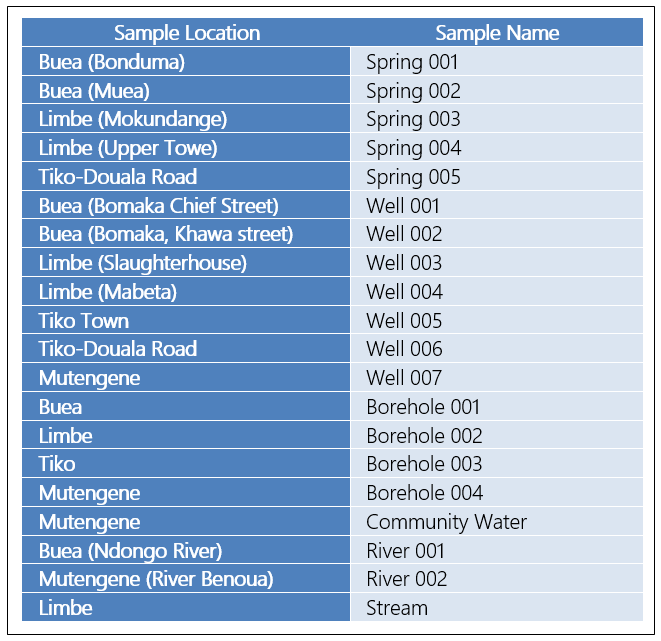
Twenty water samples were collected from the field, and measurements were recorded during the dry and rainy seasons. The sampling procedure was carried out as described by IAEA (2006). The geographic location, altitude and elevation of selected groundwater (well, boreholes, spring, and community water) and surface water (rivers and streams) sample sites were identified in the field with a Garmin Vista CX Global Positioning System (GPS).
Water was drawn from the open wells using buckets tied with ropes, while hand pump wells and boreholes were pumped for 5-15 minutes before sampling, so as to ensure the heterogeneity of the water. Surface water samples from rivers were collected by immersing the sampling bottles to a depth of about 30 cm in the middle of the river’s channels, where there was an active, but not turbulent flow, while springs were sampled at oozing points. Water samples were collected early in the morning when the water had not yet been disturbed. The water to be sampled was collected using a jar (collector) at each sampling point. The jar was first rinsed thoroughly with distilled water, and the water was sampled at each point. The physical parameters; Electrical Conductivity (EC), Potential hydrogen (pH), Temperature (T), Salinity, Total Dissolved Solid (TDS) were measured and recorded in situ using five (5) in one (1) TDS/EC/pH/Salinity/ Temperature Meter Digital Water Quality Monitor Tester EZ-9909 instrument. The instrument was also thoroughly rinsed with distilled water, and the water was sampled and then immersed in the collector, and the readings of the different parameters were recorded. The same water samples were poured into plastic bottles of 50 ml each and transported in a cooler with ice blocks within 24 hours to the Microbiology Laboratory in the University of Buea for microbial analysis.
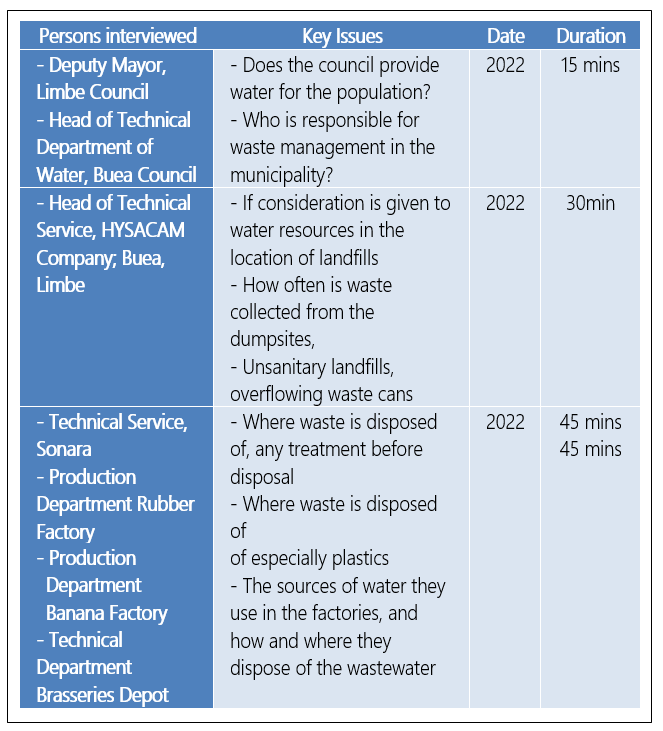
Water, being an important component for human life, the opinion of the population of the study area was sampled with the use of questionnaires to make it a social science method. A total of 352 questionnaires were administered randomly to the population of Fako in the different towns as follows: Buea (136), Tiko (69), Mutengene (43), and Limbe (101), based on the population of each town (Table 2). Interviews were conducted with some stakeholders in Fako Division (Table 3).
Table 2: Distribution of Questionnaires
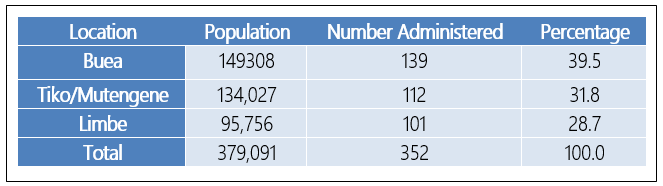
Table 3: Persons Interviews
Secondary data was collected on houses that have been constructed with building permits and on water resources that the councils have provided for the population. Data on the prevalence of waterborne diseases in Fako was obtained from the Regional Delegation of Health in Buea. Statistics on the evolution of the population were obtained from the Central Bureau for Census and Population Studies (BUCREP) in Buea. Secondary data was also collected from the Delegation of Water Resources and Energy on the number of boreholes and wells that have been constructed and handed to the community through the councils.
Data Analysis and Presentation
Data analysis was achieved by using conventional graphical plots and statistical techniques. The statistical packages such as Microsoft Excel 2016 and the Statistical Package for Social Sciences (SPSS) Version 20 were used to compute physicochemical parameters to produce statistical tables, bar graphs and pie charts.
Results
Water Sources for Domestic Chores
The population of Fako Division uses the following water resources for drinking, bathing and washing (Table 4).
Table 4: Perception of Water Sources for Domestic Chores
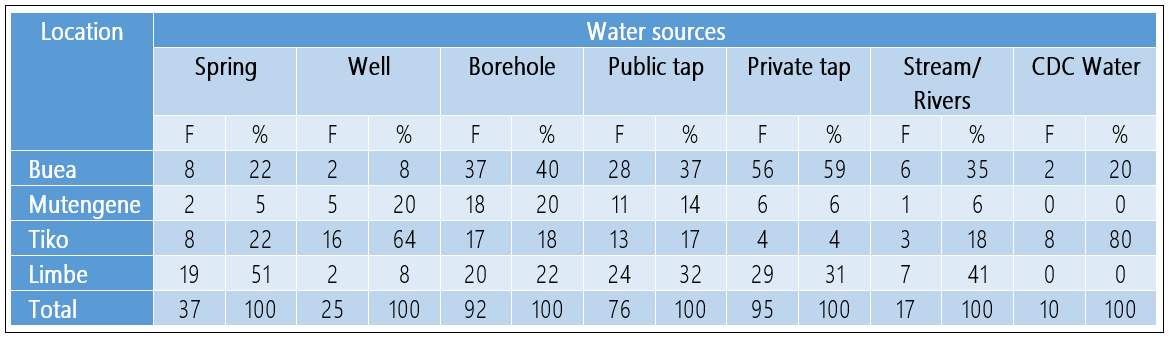
Results revealed that Limbe municipality has the highest percentage (22%) of the population in Fako that uses spring water sources, followed by Tiko and Buea Mutengene with the lowest percentage (5%) of the population using the spring sources. The use of well water sources is a very common scenario in Tiko, where almost all compounds own a well. As seen from Table 4, the population of Tiko utilises wells the highest in Fako Division, with a percentage of 64%. The town of Mutengene, which is in the same municipality, comes next, while the populations of Buea and Limbe utilise wells the least. Recently, there has been the drilling of boreholes in Fako, as the population has been experiencing less water availability and water shortages from the CAMWATER, the lone water supplier in Cameroon. The population of the Buea municipality is utilising water from boreholes the most in Fako division, with a percentage of 40%, which is followed by Limbe and closely by Mutengene.
Though there have been water crises from the inability of CAMWATER to supply and meet the demands of the growing population of Fako Division, it is still able to supply a proportion of the population through public and private taps. The population of Buea has the highest access to CAMWATER for consumption, though it is higher for those using private taps in their homes than for those using public taps. The population of Limbe comes next, followed by Tiko, with the least number of consumers in Mutengene. There is also the Cameroon Development Corporation (CDC) water source that is used in Fako Division, and only the Buea and Tiko populations have access to the CDC water. CDC workers use the water in their houses, and a few taps for public use have also been installed. The surface water sources, streams and rivers are also utilised the most by the Limbe population, followed by Buea, Tiko and Mutengene in that order.
Waste Accumulation in Water Resources
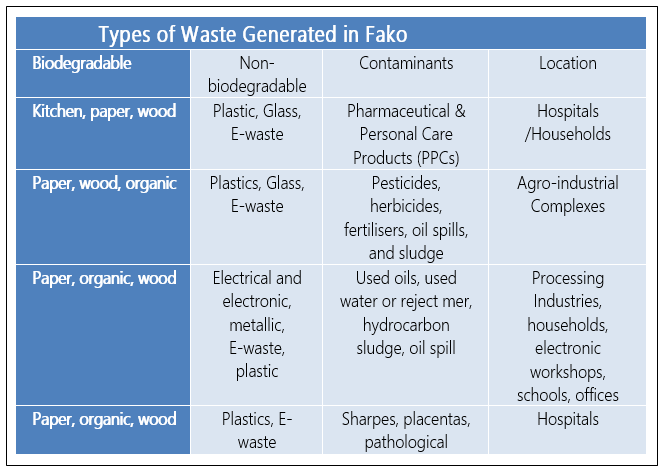
The open and indiscriminate dumping of this waste in drainage channels and water resources is a common practice in Fako Division. Waste disposal in Fako poses a problem because of poverty, population growth and the ever-increasing urbanisation rates, combined with the paucity of funds and poor planning, poor management of the government departments, especially in the Tiko municipality, which does not have any waste collection system and facilities in place. Water resources, which are used as major sources for drinking and domestic purposes, have become major receptacles of untreated and partially treated industrial waste. The rampant and rapid growth of population in the towns of Buea, Mutengene, Tiko and Limbe is contributing towards quantity, quality and the variety of waste in the form of biodegradable, non-biodegradable and hazardous wastes at their worst as far as water pollution is concerned. Fako Division has some common sectors that generate waste of different types that belong to either biodegradable or non-biodegradable and hazardous forms (Table 5), which are being disposed of in ways that still affect the quality of water resources.
Table 5: Characterisation of Waste in Fako Division
Biodegradable Waste
Biodegradable waste is made of organic matter, such as plant and animal matter that can be easily broken down naturally by water, oxygen, the sun’s rays or microorganisms and thus, likely to decompose quickly, producing foul odours and health hazards. A critical assessment of biodegradable wastes in Fako shows the presence of leather, pieces of clothing (rags), bones, fruits, vegetables, vegetable waste, food waste, flowers, plants, animal waste, leaves, wood, paper, yard trimming and a lot of other items. Materials (Figure 2).
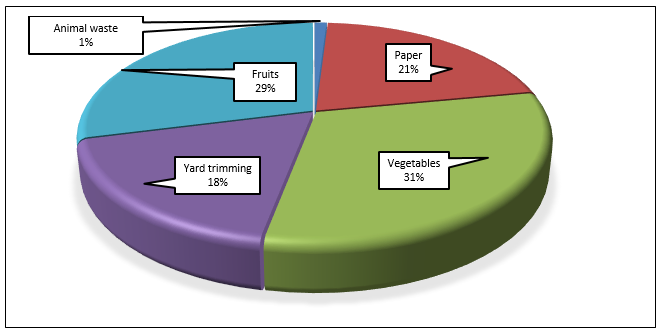
Figure 2: Categories of Biodegradable Wastes in Fako Division
Slaughterhouses are located close to the River Benoua in Mutengene and a stream in Limbe, into which their waste (animal waste) is directly discharged. The population of Fako and the environment benefit from biodegradation as they use the waste as manure in farmlands, but it may cause a few problems when it is washed into water bodies as wastewater. A lot of biodegradable waste in the water supply can deplete its oxygen, forming clusters of algal bloom, a process known as eutrophication and pollution of the water with bacteria, which leads to diseases like typhoid, diarrhoea, dysentery and malaria.
Non-biodegradable Waste
Non-biodegradable materials are those materials which cannot be broken down easily and retain their form for a long period of time. For example, metals, tin, glass and plastics, just to name a few. Wastes in Fako show the presence of plastics, bottles, metallic scraps, leather, iron, rubber, and pieces of clothes (rags), and empty cans. With the change of lifestyle and consumption patterns, there is now an increasing use of non-biodegradable materials (Figure 3).
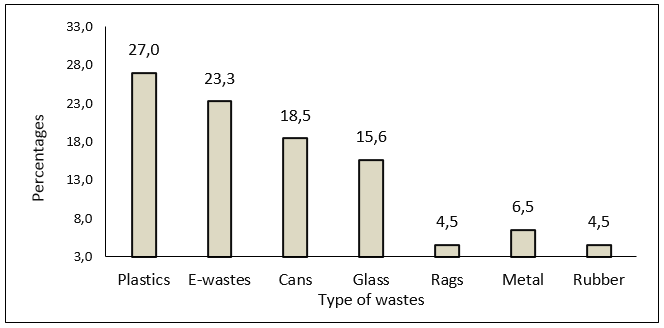
Figure 3: Types of non-biodegradable wastes in Fako Division
Technological advancement has further brought in increasing use of electronic items and gadgets like phones and computers, which are useful for us, but when discarded (known as E-Waste) improperly, as in the case in Fako, they can be harmful to the environment and human health. Due to the absence of proper measures for waste disposal in the study area and the fact that the population seem to have lost their aesthetic and civic sense, there is carelessly littered garbage around the towns, along the roads, in the market place, in open drains, ponds, rivers, streams, standing water and the sea daily. The garbage on land not collected is later washed by rain into surface water bodies, causing contamination. The Findings of this study also showed the generation of neighbourhood waste (Table 5), which is washed by runoff into water bodies or dumped directly into the water resources.
Table 6: Neighbourhood Waste Generation
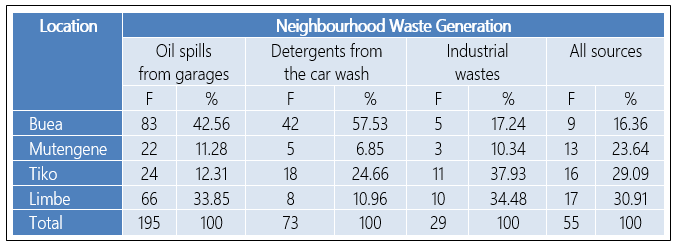
Buea registered a high percentage (42.56%) of oil spills from garages, followed by Limbe and the lowest percentage in the towns of Tiko and Mutengene, respectively. Detergents from car washing are also another type of waste frequently generated in Fako, with the highest percentage (57.53%) in Buea, followed by Tiko, Limbe and Mutengene. This is evident from the fast-growing population in the administrative and university towns of Limbe and Buea, with many rivers and streams which are along the road and are easily accessible for washing and bathing. The generation of industrial waste was recorded at the highest percentages in Tiko (37.93%) and Limbe (34.48%), respectively, where the primary industries (rubber, banana, palm oil) under the Cameroon Development Corporation (CDC) are located. This was followed by Buea, which had one of the CDC banana plantations along the Molyko Muea road, Mutengene, a town junction with the lowest percentage (10.34%). Most of the streams and rivers along the road in Fako Division are used for washing and bathing by the population, washing of cars and motorbikes using detergents, during which there are oil spills.
Human Activities, Related Waste and Effects on Water Quality
Agricultural operations by CDC, most especially in Tiko and individual private farmlands, have contributed to water quality deterioration through the release of several waste materials into water: sediments, pesticides, animal manures, fertilisers, and other sources of inorganic and organic matter. Many of these pollutants reach the surface and groundwater resources through widespread runoff and percolation and, hence, are called non-point sources of pollution. There is also industrial pollution, which is point source pollution from SONARA in Limbe, Plastic factory and Brasseries in Ombe, Rubber and Banana Delmonte Factories in Tiko, whose waste is channelled directly into the surface water resources. Construction of residential areas for the growing population in Fako has led to the pollution of water resources from waste that the population is producing and disposing of in an unsustainable manner.
Municipal Solid Waste (MSW) and its impact on water resources
The rapid increase in the population of Fako Division is contributing towards the quantity and variety of MSW. The increase in MSW production in the towns of Tiko, Mutengene, Buea and Limbe, with the absence of proper waste management systems, is causing environmental pollution as far as water resources in Fako are concerned. The MSW, which is untreated garbage in the form of biodegradable, non-biodegradable, agricultural waste, commercial, institutional waste, construction waste and industrial waste, just to name a few, is generated and dumped around residential areas, marketplaces, road sides, in culverts and in some rivers and streams directly. The waste along the roadsides, in culverts, around residential areas and in the market areas will subsequently be washed by runoff into water bodies. All the councils in Fako division have not effectively enforced town planning regulations, and as such, there is haphazard construction of houses by the growing population and sinking of septic tanks, boreholes and wells following the same haphazard pattern, which leaves the population with contaminated water for drinking and domestic purposes.
Limbe and Buea municipalities are practising landfill, which is unsanitary, and it is an open dumpsite for their MSW, which is managed by the HYSACAM Company. The present disposal sites (landfills) are located in Mussaka village in Buea and Isokolo in Limbe. The untreated rubbish (MSW) that is being placed in the dumpsite comprises mixed waste such as vegetable, paper and metal, inert solids such as glass and plastics and other unclassified materials, which constitute a great threat to underground and surface water quality. Groundwater contamination occurs through leakage, which is formed when rainwater infiltrates the landfills and dissolves the solute fraction of the waste and the soluble product formed as a result of the chemical and biochemical processes occurring within the decaying wastes. Consequently, the moisture content of waste materials is increased, and the overall rate of its decomposition is enhanced so that the leachate from the waste percolates into groundwater, causing contamination.
The paved roads with a poor drainage system in Fako Division have a negative impact on water resources, as far as indiscriminate waste disposal is concerned. The runoff and waste from the Mount Cameroon area and the Quarters above Bonduma area cause flooding in the low-lying areas around the Cameroon General Certificate of Education (GCE) Board site and below the hill descending to Mile 17, leaving pools of standing dirty water encompassed by waste and mud is a very common phenomenon that occurs during the rainy season. Most of the runoff from the waste ends up in the streams and rivers that are around Molyko and right down to Tiko, and Mutengene, leading to the spread of diseases like typhoid and diarrhoea, while the pools of standing water become breeding grounds for mosquitoes, which cause malaria.
Agricultural Waste and Impact on Water Sources
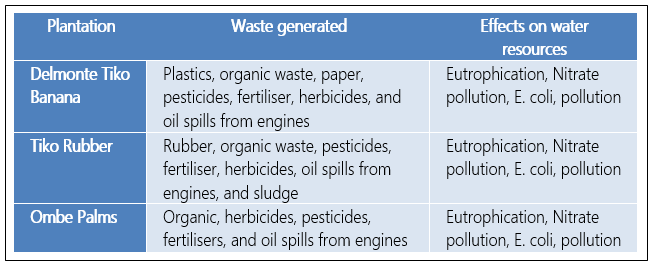
Fako Division has a long history of plantation agriculture establishment in Cameroon, and it is increasing at an unprecedented rate, with detrimental impacts on water resources. Agricultural practices in Fako affect water quality through the release of waste in the form of nutrients as a result of soil management, fertiliser application and other chemicals like pesticides, such as herbicides, insecticides and fungicides, which seep into the water bodies (Table 6). Agriculture may affect water quality directly and indirectly. Direct impacts include the intensive use of fertilisers, pesticides and herbicides for agriculture, which eventually seeps or infiltrates into water bodies and the organic and inorganic waste from the farms, which are dumped directly into the surface water resources.
Table 7: Plantation Waste Impact on Water Sources
Source: Fieldwork
The Indirect impacts include nutrients like nitrogen and phosphorus and their various forms, which contribute to eutrophication, with associated algal blooms and undesirable aquatic organisms such as toxic algae derived from farming, which leads to contamination of water sources. The erosion and transfer of soil particles and fine silt from agricultural land during rainfall events by runoff into water resources is a significant contributor to poor water quality in Fako.
Residential Areas and impact on water quality
The increasing population in Fako is creating many issues, one of which is the negative role in polluting the water resources. An increasing population has led to an increase in solid waste generation, which is being discharged into rivers and streams. In the residential areas in Fako, most of the population are low-income earners, and they turn to using pit toilets and, in some areas, like in Tiko, those living close to the rivers and streams use them as toilets, as some could be seen emptying their overnight buckets into the river. In Molyko in Buea, some urban dwellers have channelled their pit latrines directly to the stream that is flowing behind their houses, as was the case at “dirty south” in Molyko. Some individuals have also constructed pig sty fences close to and above the streams where their waste is channelled directly into the water bodies. A good number of residential areas use the water system toilets, which have septic tank systems constructed haphazardly, since a good number of the houses have been constructed without authorisation from the councils (building permit). There are a few buildings that acquired building permits from the different councils before construction, though there is still overcrowding of the houses because of the increased population (Figure 2).
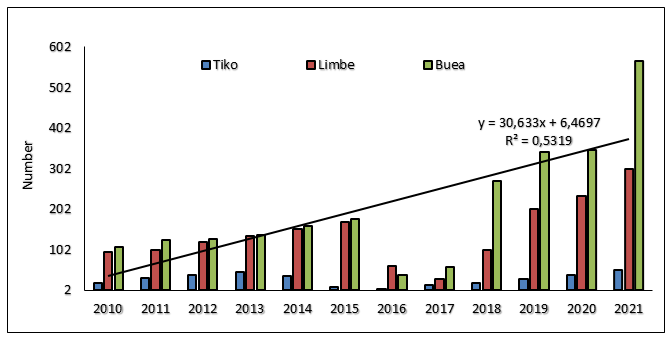
Figure 4: Trend in the number of building permits issued in Fako Division
Data source: Tiko, Limbe and Buea Councils
The population in Fako has been increasing with an increasing trend in the number of buildings over the years. The increase is based on the individuals in the population who were given building permits by the different councils. Buea has the highest number of building permits, which have been increasing rapidly over the years. This is followed by Limbe and Tiko town with the lowest increase. These buildings are not planned, coupled with the fact that some people are building without authorisation from the councils. This is causing overcrowding and pressure on water resources as some individuals turn to build above or along water courses where the land is cheap to acquire. Most of these unplanned buildings have been constructed without consideration of the available water sources like boreholes, wells, springs and rivers, which is leading to their contamination. These water sources are used by the population of Fako for drinking and domestic purposes reason for the prevalence and recurrence of waterborne diseases like typhoid, cholera, diarrhoea and severe acute gastroenteritis. Sanitation in Fako is generally unsewered, where there are cesspools, septic tanks and latrines. Some of the septic tank systems and latrines have been constructed close to surface water bodies, and others without consideration of groundwater sources like wells and boreholes. The overloading and malfunction of septic systems and pit latrines are leading to surface runoff into the streams and/or direct infiltration to groundwater. The effluents from these on-site sanitation systems are rich in total faecal coliforms, helminths, viruses, protozoa and various chemical and physical pollutants. Residential areas could be spotted along rivers or streams banks with pit toilets, poultry, pig stay, not leaving out agriculture (Figure 3), which leaves water resources in Fako contaminated and a concern for public health.
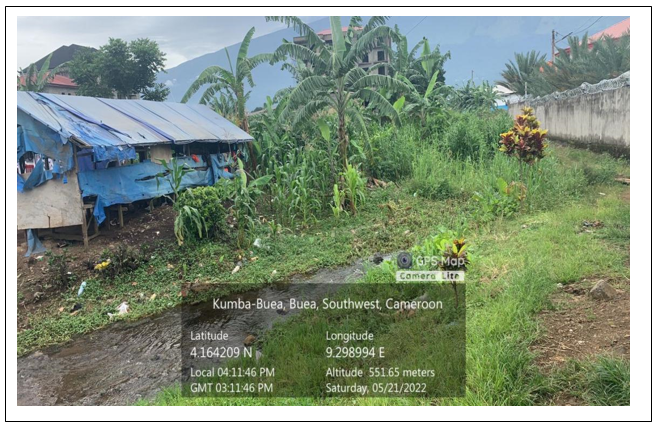
Figure 5: Residential area in Muea with houses, a pit toilet and agriculture around a flowing stream
Some of the springs, like that located in Bonduma in Buea and Mokundange in Limbe, which a good majority of the population are using, had not been protected, and water could be seen oozing out directly from in between the rocks throughout the year. The spring in Bonduma (Figure 3), which is frequently used by the population of Bokoko in Buea, has three houses and a pig fence that has been constructed above the spring source. Farming could be seen around the spring, while waste dumps could be seen in the water flowing below the oozing point.
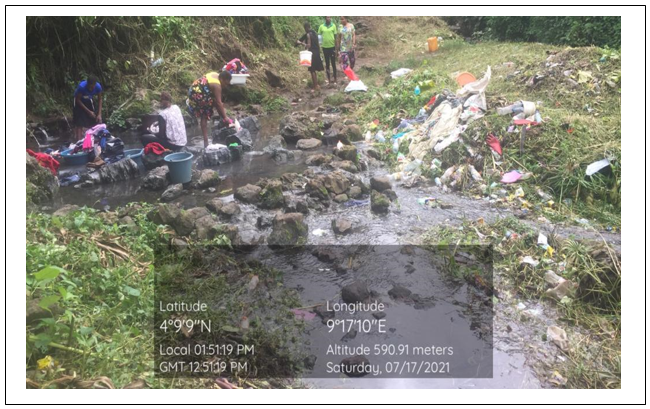
Figure 6: Spring at Bonduma in Buea that serves as a laundry point, domestic and drinking water source and a waste dump site
This spring is used for drinking, domestic purposes, washing clothes and at the same time a waste dumpsite. Most of the springs sampled in Fako recorded microbial presence, which, in normal circumstances, are supposed to be the safest water resources. This is as a result of urbanisation and the indiscriminate waste disposal and agriculture, which come through infiltration of bacteria from latrines and septic tanks from settlements and a pig sty located close to the spring.
Microbiological Concentrations
This study evaluated the total coliform bacteria count/100 ml associated with water resources using Escherichia coli (E. coli) as a measurement tool, aimed at ascertaining the paths leading to microbial contamination of the water resources. The existence of E. coli in food or water normally signals recent faecal contamination. The representation below shows the total coliform bacteria count/100 ml of the 20 water samples investigated in the dry and rainy seasons (Figure 7).
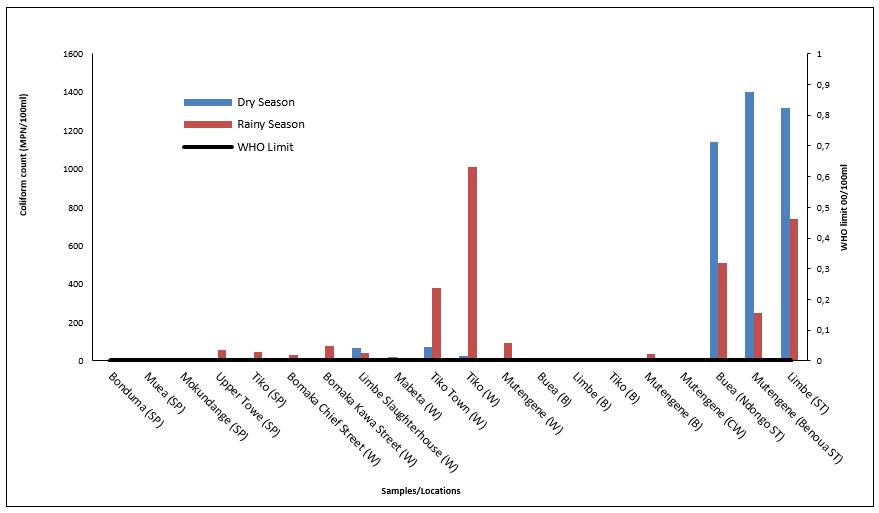
Figure 7 Microbial concentrations in water samples in Fako Division
Total Coliform Bacteria Count
The WHO (2004, total coliform bacteria count standards is 00/100ml. The total coliform bacteria count/100 ml of the 20 water samples investigated in the towns of Buea, Mutengene, Tiko, and Limbe recorded the highest values in the dry season. During the dry season, sampling five (SP002, SP005, W007, B001 and CW) out of the twenty water samples registered 00/100ml total coliform bacteria count, indicating that the water is free from coliform bacteria and it is of good quality for drinking and domestic purposes. The remaining fifteen water samples were tested with E. coli values ranging from 01 to 1400, which are above the minimal contaminant level (MCL) recommended by WHO guidelines. The highest values of 1400, 1320 and 1140 were recorded by River Benoua in Mutengene, the stream in Limbe and the Ndongo River in Buea, respectively, which are all surface water resources. The borehole in Limbe was the lone water sample out of twenty that recorded a total coliform bacteria count of 00/100 ml in the rainy season, making it free from contamination. The highest coliform bacteria count of 1010/100 ml was recorded in the rainy season by a water sample from the well located along the Tiko-Douala Road that was not covered and located about five metres away from the pit toilet. The results showed E. coli counts to be predominantly higher in the wet season than in the dry season. This is because terrestrial wastes usually budge into most water sources during periods of excessive downpours, which could be the cause of the higher levels of bacteria counts during the wet seasons than the dry seasons. There were higher counts in the wet season than in the dry season, which has the highest values. This could be as a result of the shortage of water and the increase in temperature, which gives suitable conditions for bacterial multiplication. It is worth noting that rainfall provides higher water volumes and a large surface area for rapid microbial growth, leading to higher microbial counts and, subsequently, a great extent of pollution in the wet season.
Discussion
The population of Fako division use springs, wells, pipe-borne water, boreholes, rivers and streams as their water sources for drinking and domestic purposes. Waste from agriculture and residential areas in Fako that is dumped into the rivers and streams, and the runoff of sediments that is transported from farmlands and construction sites, affect this water quality, leading to its contamination. The increasing population in Fako is creating many issues, one of which is the negative role in polluting the urban water resources. An increasing population has led to an increase in solid waste generation, which is being discharged into water bodies, altering their quality and quantity. These findings are similar to those of Fernandez-Anez et al. (2023), who posit that urban development across the world has significantly altered the quantity and quality of potable water resources. The disposal of solid wastes in dumps and sanitary landfills in urban areas poses pollution threats to ground and surface water quality.
The open and indiscriminate dumping of this waste in drainage channels and water resources is a common practice in Fako Division. Waste disposal in Fako poses a problem because of poverty, population growth and the ever-increasing urbanisation rates, combined with the paucity of funds, poor planning, and poor management of the waste collection system and facilities in place. These results are in line with those of Davis (2014) that rapid urbanisation has overwhelmed the global, regional, national, and local authorities, which has led to the constraint of quality and efficient institutional and organisational capacity to plan for sustainable infrastructures in favour of solid waste management. Water resources, which are used as major sources for drinking and domestic purposes, have become major receptacles of untreated and partially treated industrial waste. Urban activities generate large quantities of wastewater that reduce potable water quality. Considering that waste treatment in Fako is inadequate, the uncontrolled disposal of waste into water bodies and in open spaces near water bodies corresponds to public health issues, which are worst during the rainy season, as run off from the dump site with dissolved contaminants flows into surface water bodies, while the leachate contaminates the soil and groundwater. These results are similar to observations made by Ferronato &Torretta (2019) that open dumping and open burning are the main implemented waste treatment and final disposal systems practised in developing countries, which does not leave out Fako Division. Seasonal flooding in the phase of urban development, especially in coastal towns and cities, may intensify the effect as wastewater mixes with stormwater (Bahri et al., 2011). Agricultural practices in Fako affect water quality through the release of waste in the form of nutrients from soil management, fertiliser application, and the use of chemicals such as pesticides (herbicides, insecticides, and fungicides), which seep into water bodies. This is in line with the results of Folifac et al. (2009), who found that the uncontrolled application of agricultural inputs such as fertilisers and pesticides is a potential threat to water quality, given the seemingly high-water table in Buea and potential for surface runoffs and sediment transport.
The waste dumped in the unsanitary landfills in Fako Division decays and reacts with each other chemically, causing leachate contamination of water resources. Such contamination occurs through leakage, which is formed when rainwater infiltrates the landfill and dissolves the solute fraction of the waste as a result of the chemical and biochemical processes occurring within the decaying wastes. Patwary et al. (2011) in their studies also observed that, during the rainy season, leachate from open waste dumps infiltrated into water that was being used for washing and for household purposes, as well as for agricultural purposes, polluting them. Leaching through the wastes contaminates potable water and reduces water quality (Jiménez et al., 2020). The absence of a waste management system in the Tiko council leaves the water resources at the mercy of MSW waste disposal and also the indiscriminate disposal of waste in the towns of Buea, Mutengene, Tiko and Limbe. This result is similar to the observation made in studies by Rajkumar et al. (2010) that the absence of an efficient solid waste management system and improper dumping of MSW in open landfills contaminates groundwater and surface water resources in various places.
Sanitation in Fako is generally unsewered, where there are cesspools, septic tanks and latrines. Some of the septic tank systems and latrines have been constructed close to surface water bodies, and others without consideration of groundwater sources like wells and boreholes. The overloading and malfunction of septic systems and pit latrines are leading to surface runoff into the streams and/or direct infiltration to groundwater. The present study is in line with the works of Coulibaly et al., 2004, who posits that sanitation in the African cities (60-95%) is generally dominated by the autonomous systems; bathrooms, septic tanks, latrines, and also the works of Katte et al., 2003, who observed that about 3.8 million Cameroonians, lack access to adequate sanitation and that none of the major cities in Cameroon has a central sewage treatment plant thereby allowing untreated sewage to flow into the environment particularly water bodies. The intrusion of these faecal effluents in the aquifers can generate various diarrhoea diseases in the human population and contribute a great part to the deterioration of public health (Coulibaly et al., 2004).
The total coliform bacteria count/100 ml of the 20 water samples investigated in the towns of Buea, Mutengene, Tiko, and Limbe showed E. coli counts to be predominantly higher in the wet season than the dry season. This is in line with the works of Ferronato &Torretta (2019), who held that terrestrial wastes usually budge into most water sources during periods of excessive downpours, which is the cause of the higher levels of bacteria counts during the wet seasons than the dry seasons. It is worth noting that rainfall provides higher water volumes and a large surface area for rapid microbial growth, leading to higher microbial counts and, subsequently, a great extent of pollution in the wet season. The presence of bacteria in drinking water in Fako could come from anthropogenic activities, most especially from animal and/or human faeces that have infiltrated or leaked into the drinking water supply. The total coliform bacteria in drinking water in Fako can lead to health challenges like diarrhoea, typhoid, cholera, and severe acute gastroenteritis (Banseka & Tume, 2024). The consumption of food crops from farmlands irrigated with wastewater and ill-treated wastewater effluents could make people who feed on them at risk of several diseases, some of which only become evident after many years of exposure (Liu et al., 2004). Furthermore, bacterial pollutants in dumpsites, human waste from residential areas located close to waterbodies, could be drained into the different water sources during the wet season, after which rapid multiplication occurs (Odonkor & Mahami, 2020). The key sources of water pollution in Fako come from anthropogenic activities largely caused by the poor, uncultured, unhygienic living habits of people as well as the unhealthy practices of factories, industries, homes and corporate bodies as they discharge untreated effluents and waste into water bodies, results which are similar to observations by Alabaster et al. (1980).
Conclusion
Based on the above analysis, it can be concluded that Rapid population growth in Fako Division, combined with the increase in residential, commercial, agriculture and industrial activities, has led to the generation of large quantities of waste, be it biodegradable, non-biodegradable or hazardous. These human activities are generating waste that is not properly managed, and their indiscriminate disposal is affecting the water resources. The untreated waste (MSW) that is placed in the dumpsites comprises mixed waste such as vegetables, paper and metal, inert solids such as glass and plastics and other unclassified materials, which constitute a great threat to underground and surface water quality. The water resources, which are both underground water and surface water, are at the mercy of waste disposal, be it directly into water bodies or on land, where runoff will transport to water bodies when it rains. The waste in the unsanitary landfills that are found in the Isokolo open dumpsite in Limbe and the Musaka open dumpsite in Buea cause groundwater contamination. This is a result of leakage formed when rainwater infiltrates the landfills and dissolves the solute fraction of the waste, and the soluble product formed because of the chemical and biochemical processes occurring within the decaying wastes. Consequently, the moisture content of waste materials is increased, and the overall rate of its decomposition is enhanced so that the leachate from the waste percolates into groundwater, causing contamination. The unplanned buildings that have been constructed without consideration of the available water sources like boreholes, wells, springs and rivers, which is leading to their contamination. These water sources are used by the population of Fako for drinking and domestic purposes for reason for the prevalence and recurrence of waterborne diseases like typhoid, cholera, diarrhoea and severe acute gastroenteritis.
Acknowledgements
The author is thankful to the research assistants who supported the data collection process. The author equally appreciates the anonymous reviewers whose comments helped to improve the quality of the work.
Conflict of interest
The author declares that there are no competing interests linked to this study.
References
Albertini, M. (1996). Measuring urban sustainability. Journal of Environmental Impact Assessment 16:381-424
Ayeni, A.O., Balogun, I.I., Soneye, A.S. (2011): Seasonal Assessment of Physico-Chemical Concentration of Polluted Urban River: Case of Ala River in Southwestern Nigeria. Research Journal of Environmental Science, 5(1), 22-33.
Aderibigbe, S., Awoyemi, A., Osagbemi, G. (2008): Availability, Adequacy and Quality of water Supply in Ilorin Metropolis, Nigeria. Journal for Scientific Research, (23), 528-536.
Banseka, J.Y., Lambi, C.M., Fogwe, Z.H. (2022). Physico-Chemical Contamination of Water Resources in Fako Division, South West Region, Cameroon, Current Journal of Applied Science and Technology, 41(1): 23- 39. DOI:10.9734/CJAST/2022/v41i131645
Banseka, J.Y. (2024). Challenges and Solutions of Solid Waste Disposal Systems in Fako Division, South West Region of Cameroon. Journal of Geography, Environment and Earth Science International, 28(6), 67-82.
Banseka, Y. J.F., Tume, S.J.P. (2024). Coliform Bacteria Contamination of Water Resources and Implications on Public Health in Fako Division, South West Region, Cameroon, Journal of Advanced Environmental Engineering Resources, volume 5, issue 2
Bahri, A., Sally, H., McCartney, M., Namara, R., Awulachew, S., Van Koppen, B. (2011). Integrated Urban Watershed Management: Towards sustainable solutions in Africa. (Contributions from the Rosenberg International Forum on Water Policy).
Bello, O.O., Osho A., Bankole S.A., Bello, T.K. (2013). Bacteriological and Physicochemical Analyses of Borehole and Well Water Sources in Ijebu-Ode, Southwestern Nigeria. International Journal of Pharmaceutical & Biological Sciences, (8), 18–25.
Bertrand-Krajewski, J.L., Barraud, S. (2000). Need for improvement methodologies for sustainable management of urban water systems. Journal of Environ Impact Assess 20:323-331
Bressane, A., Loureiro, A.I., Gomes, R., Ribeiro, A., Longo, R., Negri, R. (2022). Spatiotemporal Effect of Land-Use on Water Quality in a Peri-Urban River Basin: A Case Study at Metropolitan Region of Southeastern Brazil. https://doi.org/10.20944/preprints202212.0047.v1
BUCREP, État et structure de la population, Tome 1, 3e RGPH. 2010.
Camara, M., Jamil, N. R., Abdullah, A.F.B. (2019). Impact of land uses on water quality in Malaysia: a review. Ecological Processes, 8(1), 10. https://doi.org/10.1186/s13717-019-0164-x
Coulibaly, L., Diomandé, D., Coulibaly, A., Gourène, G. (2004). Utilisation Des Ressources En Eau, Assainissement Et Risques Sanitaires Dans Les Quartiers Précaires De La Commune De Port-Bouët (Abidjan; Côte d’Ivoire). VertigO, 3 (5).
Dutta, V. (2012). Land Use Dynamics and Peri-urban Growth Characteristics: Reflections on Master Plan and Urban Suitability from a Sprawling North Indian City. Journal of Environment and Urbanisation Asia 3(2), 277-301. https://doi.org/10.1177/0975425312473226
Deng, X., Song, M., Li, Z., Zhang, F., Liu, Y. (2024). Replenishable but Depletable Resource: Water. In X. Deng, M. Song, Z. Li, F. Zhang, & Y. Liu (Eds.), Environmental and Natural Resources Economics (135-169). Springer Nature Singapore. https://doi.org/10.1007/978-981-99-9923-1_5
Estrada R. (2022). Water Quality: Case Study on the Alto Atoyac basin in Puebla, Mexico. Journals of Sustainable Development Volume 14.
Ezugwu, C. N., Apeh, S. (2017); Ground Water and Surface Water as One Resource: Connectivity and Interaction Journal of Mechanical and Civil Engineering (IOSR-JMCE) e-ISSN: 2278-1684, p-ISSN: 2320-334X, Volume 14, Issue 3, (54-59)
Fares, R., Naim, H., Bouadi, A. (2021). Groundwater pollution in the region of Relizane, Algeria, with focus on the physical–chemical and bacteriological characteristics. International Journal of Energy and Water Resources, 5, 247 – 257.
Ferronato, N., Torretta, V. (2019). Waste Mismanagement in Developing Countries: A Review of Global Issues Int J Environ Res Public Health, 24;16(6)
Fernandez-Anez, G., Velazquez, R., Perez-Prada, F. (2023). Governance and Implementation of Smart City Projects in The Mediterranean Region, European Investment Bank.
Hellstrom, D., Jeppsson, U., Karrman, E. (2006). A framework for systems analysis of sustainable urban water management, Journal of Environmental Impact Assessment 20:311
Jain, P., Sharma, J.D., Sohu, D., Sharma, P. (2005). Chemical Analysis of Drinking Water of Villages of Sanganer Tehsil, Jaipur District. International Journal of Environmental Science and Technology, 2(4), 373- 379.
Janssens, J.G. (1996). Development of a framework for the assessment of operation and maintenance performance of urban water supply and sanitation. Journal of Water Supply 14:21-23
Jiménez, A., Saikia, P., Giné, R., Avello, P., Leten, J., Lymer, B. L., Schneider, K., Ward, R. (2020). Unpacking water governance: A framework for practitioners. Water (Switzerland). https://doi.org/10.3390/w12030827
Khan, S., Anjum, R., Raza, S.T., Ahmed Bazai, N., Ihtisham, M. (2022). Technologies for Municipal Solid Waste Management: Current Status, Challenges, and Future Perspectives. Chemosphere, 288, Article ID: 132403.
https://doi.org/10.1016/j.chemosphere.2021.132403
Katte, V.Y., Fonteh, M.F., Guemuh, G.N. (2003). Domestic Water Quality in Urban Centres in Cameroon: A Case Study of Dschang in the West Province. Africa Water Journal, 43–54.
Li, P., Wang, D., Li, W. (2022). Water Resources Development and Management in a Large River Basin: An Introduction. Journal of Environment and Earth Science 8, 179 (2022).
Lundin, M., Morrison, G.M. (2002). A life cycle assessment-based procedure for the development of environmental sustainability indicators for urban water systems. Journal of Urban Waters 4:145
Mafuta, C., Formo, R. K., Nellemann, C., Li, F. (2011). Green Hills, Blue Cities: An Ecosystems Approach to Water Resources Management for African Cities. A Rapid Response Assessment. United Nations Environmental Programme, GRID-Arendal.
McNabb, D.E., Swenson, C.R. (2023). Water: America’s Most Valuable Natural Resource. In D. E. McNabb & C. R. Swenson (Eds.), America’s Water Crises: The Impact of Drought and Climate Change (3-28). Springer Nature Switzerland. https://doi.org/10.1007/978-3-031-27380-3_1
Mtemi, W. M., Liu, S., Liu, K., Wei, L., Wang, X., Jiang, A., Goodale, E. (2023). Concentrations and biomagnification of multiple metals/metalloids are higher in rice than in sugarcane agroecosystems of southern China. Ecological Indicators, 150, 110266. https://doi.org/https://doi.org/10.1016/j.ecolind.2023.110266
Njoyim, K.I., Kengni, L., Tita, M.A., Njoyim Buleng Tamungang, E., Fonzenyuy, V.F., Aziwo, B.T. (2020). Hydrogeochemistry of Surface and Ground Water in Alatening Village, Northwest Region, Cameroon. Applied and Environmental Soil Science.
Odonkor, S.T., Mahami, T. (2020). Escherichia coli as a Tool for Disease Risk Assessment of Drinking Water Sources, International Journal of Microbiology Volume 2020, Article ID 2534130, 7 pageshttps://doi.org/10.1155/2020/2534130
Owamah, H.I. (2020). A comprehensive assessment of groundwater quality for drinking purposes in a Nigerian rural Niger Delta community. Groundwater for Sustainable Development, 10, 100286.
Patwary, M.A., O’Hare, W.T., Sarker, M.H. (2011). Assessment of Occupational and Environmental Safety Associated with Medical Waste Disposal in Developing Countries: A Qualitative Approach. Journal of Safe Science, 49, 1200–1207.
Ray, B., Lamsam, A., Annachhatre, A. (2006). Treatment and Management of Wastewater from an Acrylic Fibre Industry. GMSARN International Conference on Sustainable Development: Issues and Prospects for Greater Mekong Subregion, Thailand
Rajkumar, N., Subramani, T., Elango, L. (2010). Groundwater Contamination due to Municipal Solid Waste Disposal – A GIS-Based Study in Erode City. International Journal of Environmental Sciences, 1, 39-55.
Rijsberman, M.A., Van de Ven, F.H.M., (2000). Different approaches to the assessment of design and management of sustainable urban water systems. Journal of Environmental Impact Assessment 20:333-345
Roy, R. (2019). An Introduction to Water Quality Analysis, International Research Journal of Engineering and Technology Volume: 6(1):201-205
Sahely, H.R., Kennedy, C.A. (2005). Developing sustainability criteria for urban infrastructure systems. Can J Civ Eng 32:72
Solihu, H., & Bilewu, S.O. (2022). Assessment of anthropogenic activities’ impacts on the water quality of Asa River: A case study of Amilengbe area, Ilorin, Kwara state, Nigeria. Environmental Challenges, 7, 100473. https://doi.org/https://doi.org/10.1016/j.envc.2022.100473
Starr, J. (2014). Patterns in Trash: Factors that Drive Municipal Solid Waste Recycling. Master’s Thesis, University of Massachusetts Amherst, 198.
Taiwo, A.M. (2011). Composting as a Sustainable Waste Management Technique in Developing Countries, Journal of Environmental Science and Technology 4(2)93-102.
Temgoua, E. (2011). Chemical and Bacteriological Analysis of Drinking Water from Alternative Sources in the Dschang Municipality, Cameroon. Journal of Environmental Protection. Vol. 2, No. 05, p620-628.
Tume, S.J.P. (2022). Standardized precipitation index comparison along the Limbe-Bamenda Axis of the Cameroon Gulf of Guinea. Adv Environ Eng Res. 3: 002.
UN-Water. (2018). Nature-based Solutions for Water 2018: The United Nations World Water Development Report 2018.
UN Water (2021). Valuing Water. United Nations World Water Day Report 2021. UNESCO, Paris, 187.
UN Water (2022). Groundwater: Making the invisible visible. United Nations World Water Day Report 2022.UNESCO, Paris, 224.
UNEP (2016). A snapshot of the World’s Water Quality: Towards A Global Assessment. Nairobi, United Nations Environment Programme (UNEP).
Van, R.D. (2011). Integrated Urban Watershed Management: Towards sustainable solutions in Africa. In Garrido, A.; Ingram, H. (Eds.). Water for food in a changing world. London, UK: Routledge. pp. 50-70. (Contributions from the Rosenberg International Forum on Water Policy)
Verocchi, M., Codner, G.P. (2003). Sustainability of potable water supplies in developing countries – Baguio case study. Australian J Multi-disciplinary Eng 1:17-24
Vigil, K. M. (2003). Clean water: an introduction to water quality and water pollution control, Library of Congress Cataloguing-in-Publication Data, 2nd ed.
Walton, J. S., El-Haram, M., Castillo, N.H., Horner. M., Price, A.D. (2005). Integrated assessment of urban sustainability. In: Proceedings of the institute of civil engineers: Journal of Engineering Sustainability, London 158 (2) 57 – 65
World Bank (2019). What a Waste 2.0: Trends in Solid Waste Management. Available online: http://datatopics.worldbank.org/what-a-waste/trends_in_solid_ waste_management.html
World Bank. (2022). World Development Report 2020: Infrastructure for Development. New York: Oxford University Press. https://doi.org/10.1596/978-0-1952-0992-1
World Health Organisation (2004). World Undid Patient Safety, 2005-2006. World Health Organisation, Geneva, 36.
WWAP. (2017). The United Nations World Water Development Report 2017: Wastewater, the Untapped Resource. United Nations World Water Assessment Programme (WWAP). Paris, United Nations Educational, Scientific and Cultural Organisation.
To cite this article
Electronic reference
Banseka JaneFrances Yenlajai (2026). « Municipal Solid Waste Disposal and Urban Water Quality Implications in Fako Division, South West Region, Cameroon ». Canadian journal of tropical geography/Revue canadienne de géographie tropicale [Online], Vol. (10) 1. Online July 1st, 2026, pp. 18-26. URL: https://revuecangeotrop.ca
Author
Banseka JaneFrances Yenlajai
Department of Geography and Planning, Faculty of Arts
The University of Bamenda, P.O. Box 39, Bambili, Cameroon
Email: jbanseka@yahoo.com
